When heading into extreme alpine environments or the Arctic circle, your gear is your lifeline. The difference between an incredible adventure and a miserable—or dangerous—experience often comes down to your clothing choices and safety equipment. This guide outlines the essential kit for a 2026 winter expedition.
The Art of Layering
The golden rule of winter survival is layering. You need to trap heat while allowing moisture (sweat) to escape. If sweat freezes against your skin, hypothermia is a real risk.
- Base Layer: 100% Merino wool. Avoid cotton at all costs ("cotton kills"). Merino wool wicks moisture, retains heat even when damp, and resists odor over multi-day trips.
- Mid Layer: Fleece or synthetic down. This layer is your primary insulator. A high-pile fleece or an active-insulation jacket (like Polartec Alpha) provides warmth while dumping excess heat during strenuous climbs.
- Outer Shell: A high-quality Gore-Tex Pro or equivalent hardshell. This layer must be 100% windproof and waterproof to protect you from harsh blizzards and biting wind chill, while featuring pit-zips for mechanical ventilation.
Extremity Protection
Your hands, feet, and head lose heat the fastest and are most susceptible to frostbite.
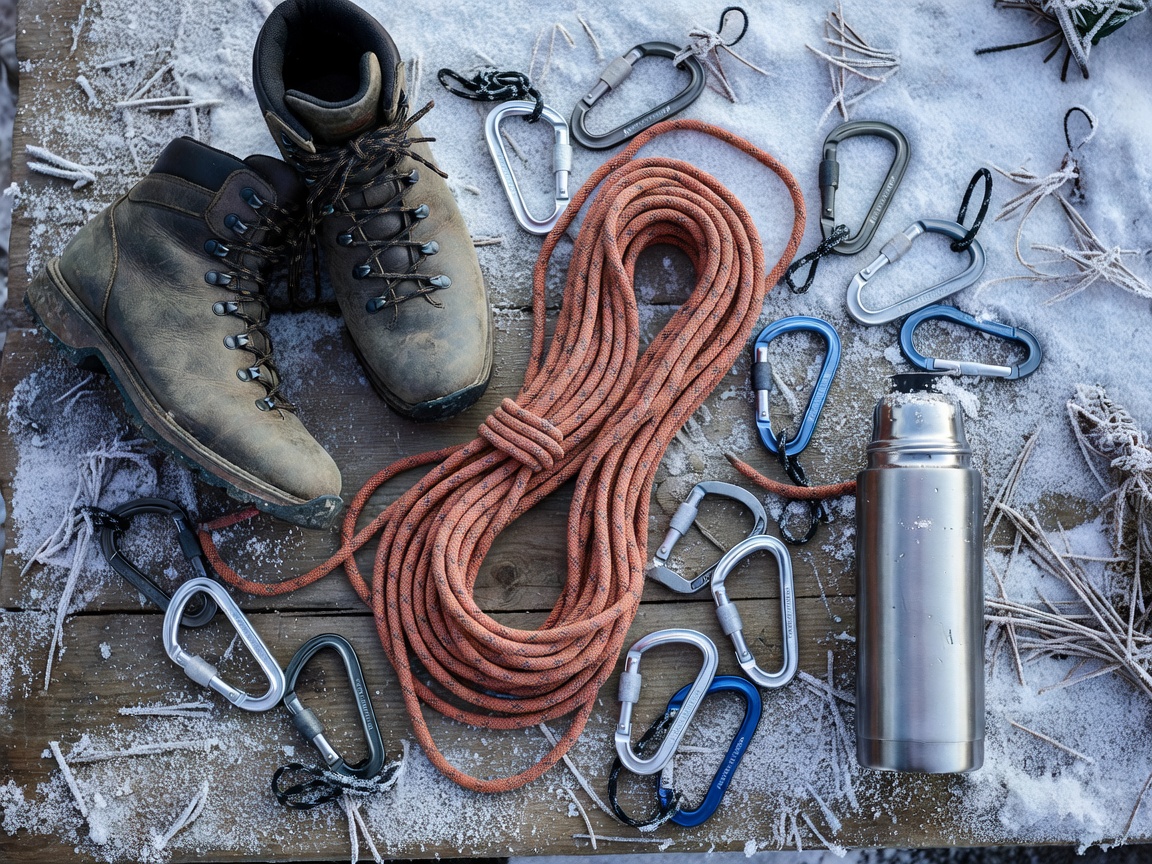
- Footwear: Insulated mountaineering or winter hiking boots with rigid soles for crampon compatibility. Ensure they are rated for at least -20°C.
- Gloves: A two-part system is best. A thin liner glove for dexterity when handling equipment or cameras, inside a heavy insulated waterproof mitten for maximum warmth.
Backcountry Safety Essentials
If you are venturing outside patrolled resort boundaries, avalanche safety gear is non-negotiable. You must carry a 3-antenna avalanche transceiver, a collapsible aluminum shovel, and a snow probe. More importantly, you must have the training to use them. Consider an AIARE 1 course before your trip.